Apartment Security Guards in Altamonte Springs
Altamonte rents from two very different generations of building at the same time: spread-out garden communities with open breezeways and flat parking, and new mid-rise stock going up around Cranes Roost and the SunRail station. Nexus Security Firm staffs officers at both, with post orders written to the building form in front of them.
Apartment Security Guards in Altamonte Springs
Most of the rental stock in Altamonte Springs is garden style: two and three story buildings spread across a large site, exterior stair landings, open breezeways, laundry buildings, carports and a surface lot that wraps the whole property. Nothing about that form is hostile to a resident and nothing about it is defensible either. There is no single door to hold and no elevator lobby to watch. A patrol here is a route across acreage, and the properties that get value out of coverage are the ones that accept that and buy a moving officer instead of a stationary one.
The newer half of the market is going up around Uptown Altamonte. A 261-unit community was completed east of Cranes Roost Park, a 332-unit garden-style community is due to open in early 2027 across from the SunRail station on 1st Street, and a proposed mixed-use project at Altamonte West would add 541 apartments with retail and office alongside. The SunRail station on Ronald Reagan Boulevard has been running since 2014 and the CraneRIDES autonomous shuttle service began connecting it to Uptown in July 2023, which means a growing share of residents here arrive and leave on foot.
That mix, older low-rise stock and new transit-adjacent lease-ups within a couple of miles of each other, is what makes Altamonte a different job from Orlando proper. Seminole County renters here include long-tenured households, retirees, families in workforce jobs along the SR 436 corridor and commuters riding the train south. Coverage that treats them all as the same population produces complaints instead of results.
A garden property is covered by a route
The defining fact about older Altamonte stock is distance. A single community can run twenty buildings across fifteen acres with four or five ways in on foot.
Exterior stair landings are semi-private space that belongs to nobody, which is where people sit, drink and sleep. Laundry buildings stay unlocked because residents need them at ten at night. Breezeways run through buildings rather than around them, so a person walking one is out of sight from the lot in three steps. Back perimeters back onto retail parking, drainage easements and cut-through paths that were in use before the fence went up, and a fence with one section down is an open property.
An officer on a property like this works a vehicle and foot route with recorded round times, changing sequence every shift so nobody standing in the lot can predict the next pass. The route hits the stair landings, the laundry buildings, the dumpster enclosures, the pool and the back rows of parking. The round record is the part your office uses, because on a site this size a manager otherwise has no way to know which corners were walked.
What older buildings change about the job
Age changes the security problem in ways that have nothing to do with crime rates.
Lighting on older properties was designed for a different standard and has usually been patched for two decades, so the lot has dark quarters that the site plan does not show. Gates, where they exist at all, were retrofitted, and a retrofitted gate on a garden property is a single arm across a drive with a sidewalk beside it. Unit door hardware, mail kiosks and laundry room locks are the original specification unless an owner funded a change. Renovation programs that upgrade interiors leave all of that untouched, so a community can market granite counters and still be losing packages out of a 1985 mail kiosk.
The first thing a supervisor does on a walk here is separate what guard hours can fix from what they cannot. Three dark rows, a gate arm that stands open all day and a laundry door that does not latch are repairs. Once those are on a list, the coverage question gets simpler and usually cheaper, because you stop buying hours to compensate for a light fixture.
Transit-adjacent lease-ups have a different problem set
The new buildings around Uptown Altamonte and the SunRail station are a different post from a property off Palm Springs Drive.
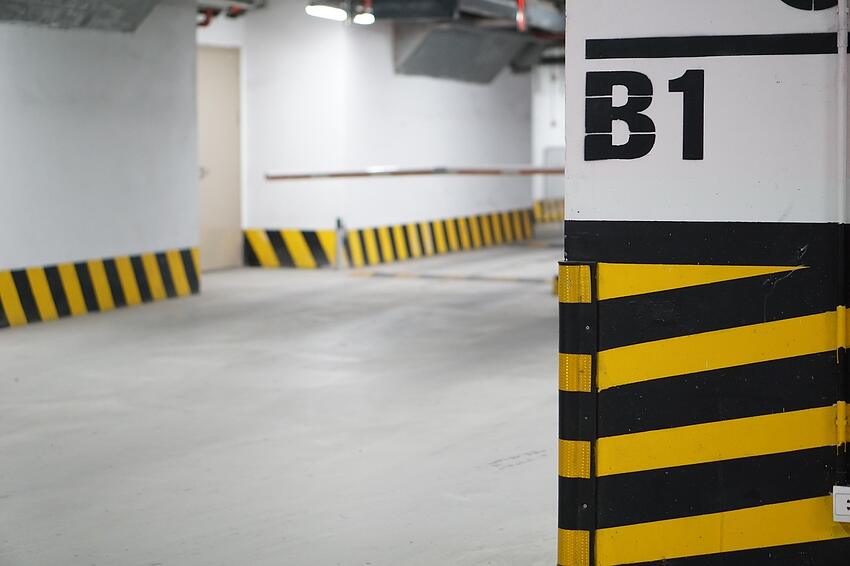
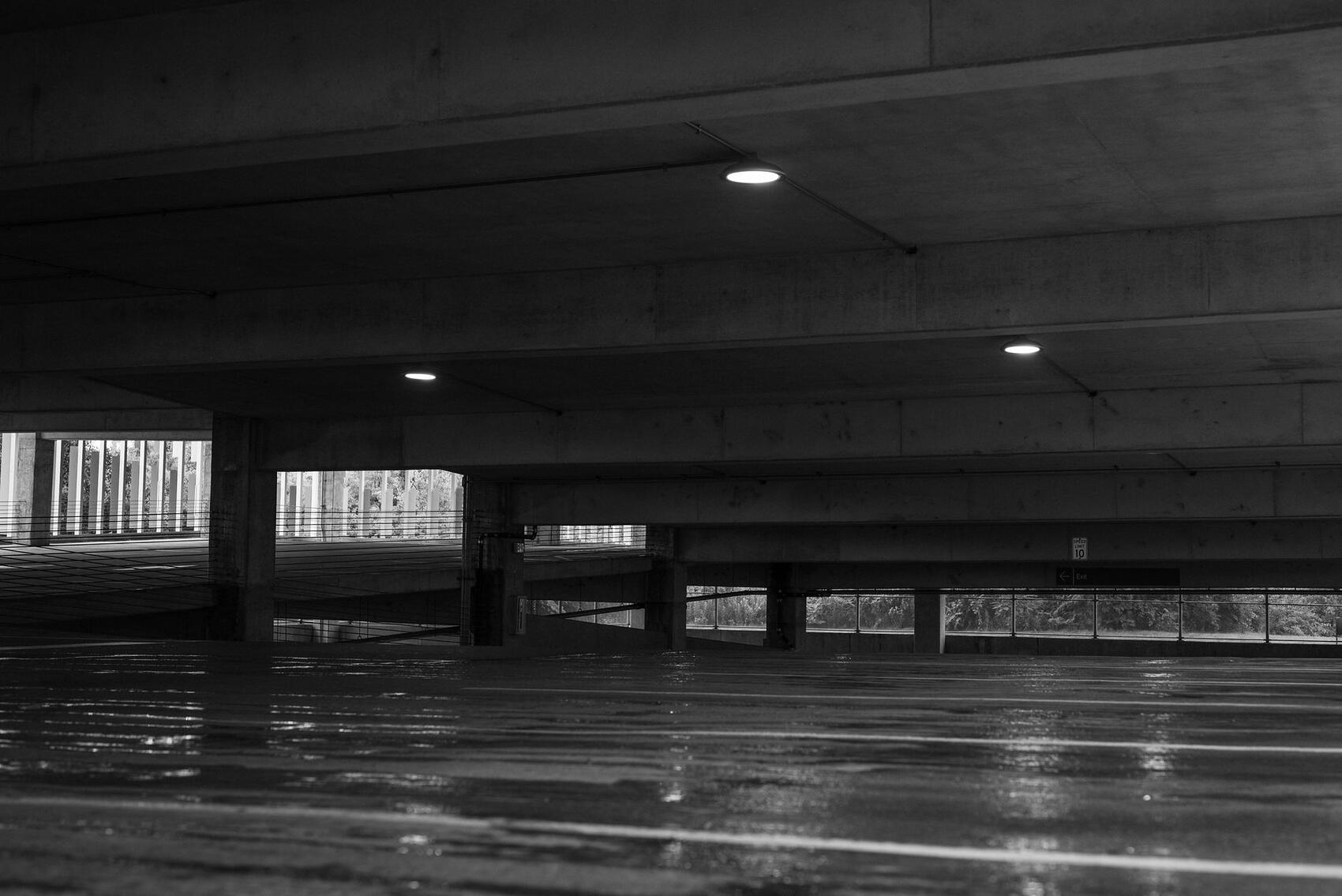
They carry structured or wrapped parking, controlled pedestrian entries, amenity decks and ground-floor space, and their residents walk to the train, to Cranes Roost Park and to the restaurants around Uptown. Pedestrian access is the point of the location and it is also the access-control problem: a building designed to invite people in from the street cannot be sealed at nine at night without breaking the reason people leased there.
Lease-up adds its own layer. A community in its first year has contractors finishing punch lists, model units open to strangers, temporary fencing, and a leasing team taking tours from anyone who walks up. It also has no incident history, so the schedule is written from the building form and the surrounding foot traffic and then corrected against the log once there is one. A new property is better started on a modest pattern, with hours added from evidence, and we will say so when an owner asks for a full overnight post at a building that has no record yet.
Who lives here, and what they call the office about
The complaint mix in Altamonte runs toward property and presence more than toward parties.
Vehicle burglaries in the back rows and carports, people sleeping in stairwells and laundry rooms, nonresidents at the pool on weekends, a former tenant still coming through a gate code, and abandoned vehicles occupying spaces residents pay for. These are the calls that put an Altamonte manager on the phone, and all of them are documentation problems before they are confrontation problems.
Older communities also carry households who have been there a long time and know the property better than the staff do. That is an asset if the office makes reporting easy and low profile. Residents under-report constantly, often for days, because they fear being identified by whoever they are reporting, and a posted officer who is visible on a route gives them somebody to tell without standing in the leasing office to do it. Tell residents the officer is there and what hours, because coverage nobody knows about buys deterrence and nothing else.
What a patrol route covers on an Altamonte property
A route on a garden community is built around the places that are out of sight from the office. The back rows and carports first on an early round, since that is where vehicles get opened. Then the laundry buildings and the dumpster enclosures, the stair landings on the rear buildings, the pool gate, the mail kiosk, and the sections of perimeter fence that back onto a retail lot or a drainage easement. Officers vary the order and the direction on every shift, and the round times are recorded so the office can see the whole site was covered rather than the front half of it.
Why Altamonte Springs managers use Nexus Security Firm
-
Repairs get named before hours get sold
On older Seminole County stock, most of what a manager wants from security is available from lighting, a working gate arm and a laundry door that latches. A supervisor walking your property will put those on a list for you, and the coverage we quote assumes they get done. Buying guard hours to stand in for a dark parking row is the most expensive lighting contract available, and we would rather tell you that during the walk.
Belfry Software put 2026 bill rates at 1.5 to 2 times what the officer is paid.
-
A route that covers the whole site
A community spread over fifteen acres cannot be covered from a chair at the leasing office. Officers here work a recorded route with a changing sequence, so the back buildings and the perimeter get the same attention as the front entrance and nobody in the lot can time the next pass. Your office receives the round record, which on a site this size is the only way to know what was walked.
Every round and every incident is written up, and the write-up reaches your office.
-
Licensed in Florida and checkable from your desk
Nexus Security Firm holds FDACS Class B agency license B 1900066 and deploys officers licensed under Florida Chapter 493. Seminole County boards and owners ask for that number more often than Orange County ones do, and it is a public record you can search without asking us for anything. Do the same with every company you are quoting, and ask for the agency number in writing before you compare rates.
Agency license B 1900066 sits on the FDACS public lookup as a Class B record.
A typical call from an Altamonte Springs community
The situation: A common call from a manager at a garden community off SR 436. Seven vehicle burglaries in a quarter, all of them in the two rear rows and the carports, plus people sleeping on a stair landing at the back of the property and a maintenance tech who has been the one waking them up. The owner has approved a security budget and wants a guard at the entrance.
What gets done: A supervisor walks the site at eleven at night and finds the two rear rows lit by three fixtures, two of them out, and a section of rear fence down onto the adjoining commercial lot. Both go on a repair list to the office. Coverage is written as a patrol post on the nights the log shows the burglaries falling on, unarmed, with a recorded route that leads with the rear rows and the carports and varies its sequence every shift. Post orders set out what the officer does with a person sleeping on a landing: ask them to leave, document it with a time and a location, and call Seminole County deputies if they refuse. The entrance post the owner asked for is left out of the quote, with the reason written down.
How it turns out: The fence and the lighting close the two access points that were doing most of the work. The maintenance tech stops being the person who handles it. Vehicle reports drop off the rear rows and the two that follow arrive with a round log beside them, so the office can show the owner exactly what the coverage is doing and where the remaining gap sits.
Questions Altamonte Springs managers ask
What comes up on a first call from a Seminole County apartment community.
Other areas we cover communities
Communities in the surrounding areas share the same officers, which keeps an overnight post from depending on one person being available.