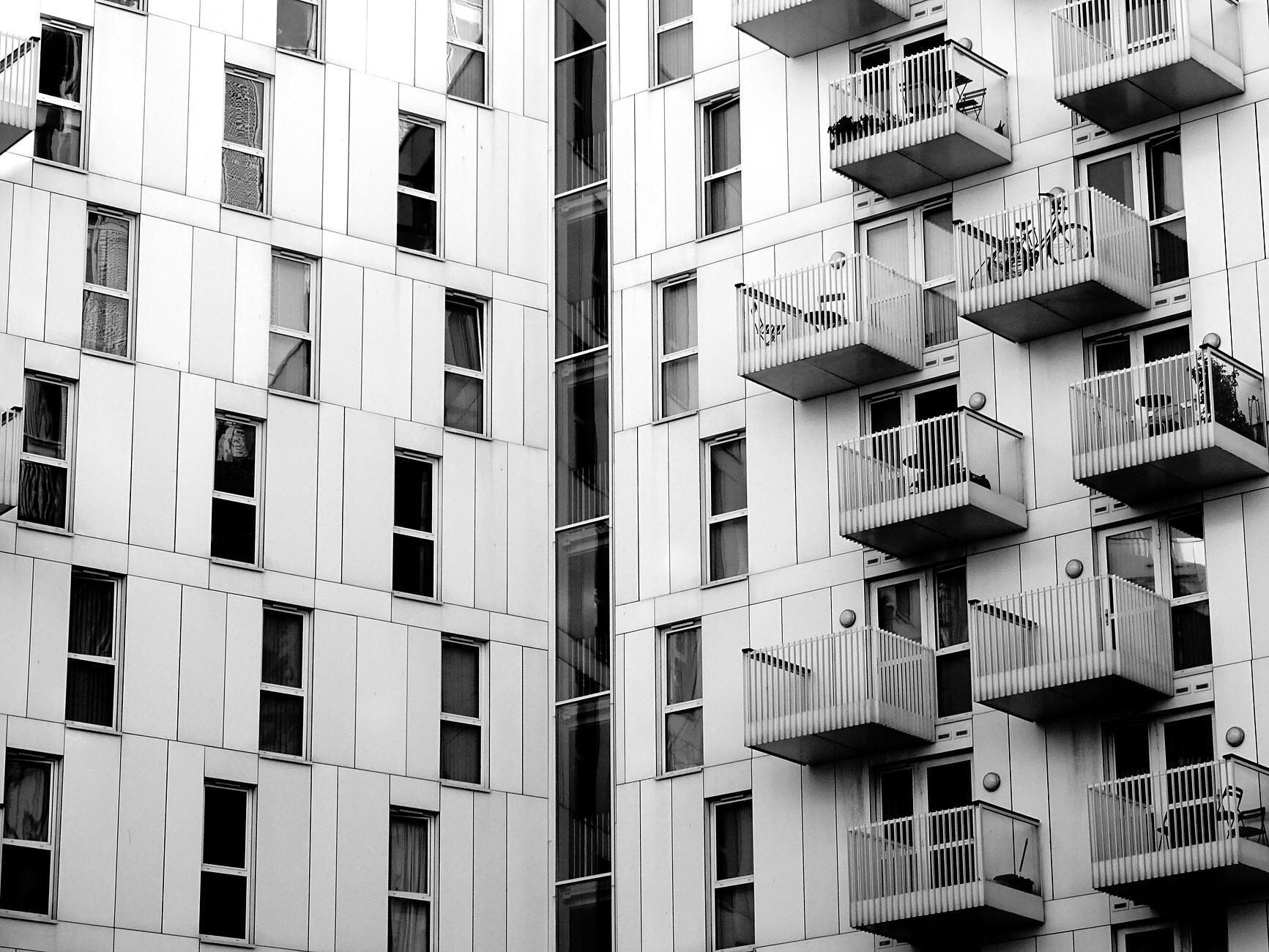
Apartment Security Guards for UCF and East Orlando
The rental buildings strung along Alafaya Trail lease by the bed to students at a university that enrolled 70,674 people in fall 2025 (UCF), and they behave nothing like a conventional community two miles east. Nexus Security Firm staffs officers on the nights and the weeks when a student property generates the incidents your office has to answer for.
Apartment Security Guards in UCF and East Orlando
Alafaya Trail is the spine of this submarket, and the bed count on it keeps climbing. Orange County commissioners approved three student housing projects along a third-of-a-mile stretch of North Alafaya Trail that together add more than 3,600 beds (FOX 35 Orlando), the largest of them on a 25-acre site carrying roughly 2,400 beds, and a 626-bed community is due to open at Alafaya and Science Drive in fall 2026. Every one of those beds arrives with its own lease, its own key and its own guest list.
By-the-bed leasing is what separates this market from the rest of Orlando multifamily. Four residents who did not choose each other share a unit and share nothing else, so a noise complaint is a complaint about a lease your office has to enforce against one name out of four. That only works if somebody wrote down the unit, the hour and what was happening. Fall 2026 classes start on August 24 (UCF academic calendar), which means the week before it is the heaviest seven days of the year on a property that spends the rest of August half empty.
East Orlando past the campus ring is a second market inside the same page. Conventional garden communities off Dean Road, Rouse Road, University Boulevard and Curry Ford Road hold a mix of students who wanted a cheaper lease, families, airport staff and hospital shift workers, on a street grid with open perimeters and surface parking. The buildings are older, the parking is flat, and the hours that carry the trouble sit later and thinner than they do on the purpose-built side.
Turn week concentrates a year of risk into seven days
A by-the-bed community can change most of its residents inside a single week in August, and everything that protects the property is suspended while it happens.
Gates stand open for moving trucks. Breezeway doors get propped with a wedge and left that way for three days. Vendors, cleaning crews, carpet installers and parents all move through the building at once and nobody on staff can name half of them. Fobs are being issued in volume at the leasing office while the old ones have not all come back. Anyone walking a hallway with a box looks like they belong there, and for that week they mostly do.
Coverage in turn week is a different schedule from coverage in October. Officers work daylight and evening hours while the trucks are moving, hold the amenity decks that fill with people who have no lease yet, and keep a written record of propped doors and open gates so maintenance has a list on Monday morning instead of a rumor. When the week ends the schedule drops back to the nights your log says you need.
Guest volume is what drives incidents on a student property
Almost everything that lands in a student housing file starts with somebody who does not live there.
The amenity decks on newer Alafaya buildings are the draw. A pool, a courtyard, a game room and a fifth-floor terrace pull groups in on a Thursday, and a fob holds the door for six people behind the resident who tapped it. Football and basketball weekends multiply that, and so does the run of weekends at the start of each term before anyone has an exam. Residents bring the guests, so the answer is documentation your office can attach to a lease file, and a visible officer at the gate during the hours the groups arrive.
Officers on these posts check residency at the amenity entrance, record who was asked to leave and when, and work the stair and elevator lobbies where groups move between floors. Florida licensed officers observe, document, ask people to leave and call Orlando police if they refuse. They do not detain, and any company promising your community that its officers will handcuff a trespassing guest is selling you an unlawful detention claim.
Structured decks near campus, surface rows further out
The parking form changes the patrol, and along Alafaya the two forms sit within a mile of each other.
The purpose-built buildings closest to campus park residents in structured decks, often with a gate arm at one vehicular entry and pedestrian stair doors on every level. A deck is a vertical property with poor sight lines and predictable timing, so officers work the levels on an irregular pattern, check that stair doors latch, and pay attention to the top deck where cars sit all weekend untouched. Tailgating through the arm behind a resident is the common access failure and it happens all night.
Conventional communities further east park flat, in long rows and detached carports with no arm and no camera angle that covers the back of the lot. There the job is presence and route: a marked vehicle moving through rows at hours nobody can predict, with the round times recorded. Vehicle burglaries cluster in the rows nobody walks after midnight, which on most East Orlando properties is the row against the rear fence.
Conventional East Orlando communities need a different post
A garden community off Dean Road or Rouse Road carries a resident mix that no purpose-built building does, and the post orders change with it.
Residents here run on shift clocks from Orlando International Airport, the hospitals and the hotel corridor, so the property has people arriving and leaving at every hour of the night and a patrol that reads a two in the morning arrival as suspicious will waste your money and annoy your renters. The complaints are quieter and steadier: people sleeping in laundry rooms and stairwells, cars opened in the back rows, a nonresident who keeps turning up at the pool, and an ex-tenant still using a gate code.
These properties also tend to sit open. Perimeters back onto retail lots, drainage easements and cut-through paths that were walked long before the fence went up. Coverage that works here is usually fewer hours placed exactly where the log points, with a written round record so the office can show an owner what was checked and when.
What the written record does for a student lease file
On a by-the-bed property the documentation is the part you use, because every enforcement step lands on a family that will dispute it.
A noise write-up that names the unit, the hour, what the officer observed and who was present is what supports a lease violation notice against one bed in a four-bed unit. The same record supports a non-renewal, a damage charge and a trespass warning against a guest who keeps returning. Without it you have a resident's word against a parent's phone call, and parents in this market co-sign and argue.
Incidents on our posts are documented and the documentation goes to your office. Managers here also use it the other way, to show an owner or a regional that the coverage moved the police call count on a property where the raw number of residents makes some level of calls inevitable.
What a late round looks like on an Alafaya property
A round on a purpose-built building near campus starts on the top deck of the garage and works down, because that is where the untouched cars sit and where groups go when the pool closes. Stair doors get checked for latch on every level. The amenity deck comes next, then the courtyard and the breezeways on the residential floors, then the mail and parcel room, then the pedestrian gates on the Alafaya side that get propped for delivery drivers and left that way. The pattern changes every shift so nobody standing in the parking row can time it, and the round is recorded so your office can see what was walked and when.

Why UCF-area managers use Nexus Security Firm
-
A schedule that follows the academic calendar
A student property does not produce a flat year of incidents. Coverage here is heavier in the week before classes and through the first month, thinner in summer when a third of the beds are empty, and concentrated on the nights groups gather instead of spread across seven. We read your own log and your turn dates before writing a schedule, and where a community is paying for hours in July that its own record does not support, we say so.
Fall 2026 classes at UCF begin on August 24 (UCF academic calendar).
-
Supervision on the hours students are awake
The shift that matters on an Alafaya property runs long after any manager has gone home, which is exactly the shift most guard companies leave unsupervised. Every post we staff has a supervisor assigned, and attendance includes the overnight. Officers fall asleep on post when they are absorbing back-to-back doubles with nobody checking, and firing the officer fixes none of that. Ask any company you are quoting who attends your amenity deck at three in the morning.
ASIS International put guard turnover across the industry at 77% for 2024.
-
A license number a parent can check
Families signing a guaranty for a bed near campus ask what security the property has, and a leasing team that can name a licensed agency and a number answers that in one sentence. Nexus Security Firm holds FDACS Class B agency license B 1900066, and the officers on your post hold their own Class D licenses. A Class D requires 40 hours of FDACS-approved training. All of it is searchable on the state lookup without calling us.
License B 1900066 is a Class B agency record anyone can pull from the FDACS lookup.
A typical call from a community near UCF
The situation: A common call from a manager at a by-the-bed building off North Alafaya Trail, placed in early July. Turn week is six weeks out, last August the gates stood open for four days and two units reported theft during the move, and the office has no written record of any of it. The property also has a standing Thursday problem at the pool deck that the leasing team is handling by walking out there themselves.
What gets done: A supervisor walks the property on a Thursday evening and again on a weekday morning to see the move path. Coverage is written in two parts. Turn week gets daylight and evening officers positioned at the truck route and the amenity decks, with propped doors and open gates logged for maintenance. The rest of the term runs Thursday through Saturday on the late hours, unarmed, with rounds split between the pool deck, the breezeways and the garage levels. Post orders set guest limits at the amenity, what the officer records on a noise call, and the point at which Orlando police are called.
How it turns out: The office stops sending leasing staff to the pool at eleven at night. Noise complaints arrive as write-ups with a unit and a time attached, which is what a violation notice needs when a family calls to argue it. After the first term the log shows Thursday running quiet and Sunday nights busier than anyone expected, so the schedule moves and the total hours stay where they were.
Questions UCF-area property managers ask
What comes up on a first call from a student property, answered the way we would answer it on the phone.
Other areas we cover communities
Communities in the surrounding areas share the same officers, which keeps an overnight post from depending on one person being available.