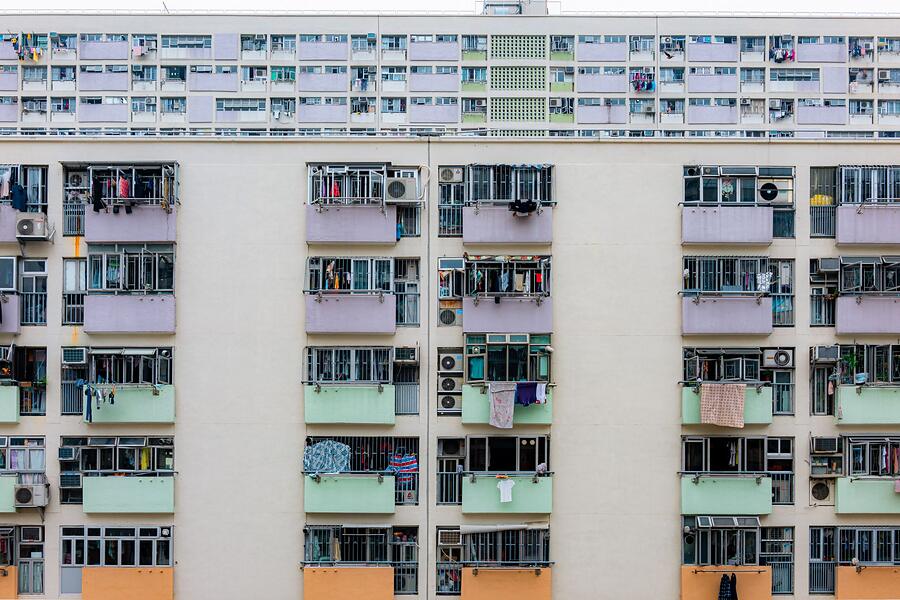
Student Housing Security in Orlando
Licensed officers at purpose-built and conventional student communities around UCF and across the metro, scheduled for the hours a student property generates incidents. Nexus Security Firm staffs the post and documents what happens in it.
What a student housing post covers
A student housing post is a licensed officer working the hours between ten at night and four in the morning, when a by-the-bed community produces almost everything that ends up in a file.
Rounds cover the amenity deck, the pool, the clubhouse and study rooms, the garage and surface parking, the breezeways and the mail and parcel area. The officer holds guest control at the amenity, closes the pool and deck at posted hours, takes noise complaints and records them with the unit and the time, and responds to calls from residents during the shift. Move-in and move-out weekends get their own schedule, because a building that turns most of its beds in one August week has a different security problem for seven days than it has for the rest of the year.
- Late-night rounds of amenities, parking and breezeways
- Guest checks at the pool, clubhouse and fitness center
- Noise and party complaints recorded with unit and time
- Move-in and move-out weekend coverage
- Escorts from parking to the building where post orders provide for it
- Written documentation delivered to the management office
Why student communities are a different post
By-the-bed leasing changes who the officer is dealing with and what the documentation is for.
Four residents who did not choose each other share one unit and four guest lists, so the guest volume through an amenity is unlike anything at a conventional community. The lease is signed by a parent who has never seen the property, which makes what you can show a guarantor after an incident part of the product. Enforcement is also different: at a conventional community a noise complaint is a neighbor dispute, and at a student property it is a lease file that has to hold up when a family disputes a charge. Buyers are the operators and management companies running purpose-built communities along Alafaya and McCulloch and the conventional garden-style properties around them that have filled with students by default.
How these posts are staffed
Student housing posts are unarmed at nearly every property, and the officer standard matters more here than the equipment does.
An officer working a student community is talking to eighteen and nineteen year olds at two in the morning, often after a long night, and the job is de-escalation and documentation. Florida Class D officers complete 40 hours of FDACS-approved training before they can stand a licensed post (FDACS Division of Licensing). A supervisor is assigned to the post and attends it, including on the overnight hours when a student property is busiest. Arming a student housing post raises the property's exposure for a risk profile that rarely calls for it, and Florida requires a separate Class G license with 4 hours of firearms requalification each year of the two-year term for any armed post.
What an officer can do about a party at two in the morning
Attend, ask for the noise to stop, record the unit and the time and what was observed, and call Orlando police where the situation calls for it.
An officer does not enter units, does not search anyone, does not confiscate anything and does not detain people who present no physical threat. Florida licensed officers are private citizens under Chapter 493 license, and being instructed to handcuff or detain a non-violent trespasser is something working officers refuse on unlawful detention grounds. The value to a student operator is the written record. A noise complaint with a unit number, a time and an officer name behind it is what supports a lease violation, a charge back or a non-renewal, and it is what a guarantor's attorney reads.
What student housing coverage costs in Orlando
Expect 24 to 34 dollars an hour unarmed in Central Florida, with the late-night hours a student property needs sitting toward the top of that band.
Florida officer wages run roughly 14 to 18 dollars an hour unarmed (ZipRecruiter, Salary.com and Indeed, 2026), and a bill rate typically runs 1.5 to 2 times the officer wage with about 70 percent reaching the officer and around 10 percent in indirect cost (Belfry Software, 2026). Student properties also buy in bursts, which affects the number.
What moves the rate here:
- Weekend and late-night hours, which carry the premium
- Move-in and move-out weekends, where several officers work at once
- Football and event weekends that concentrate the whole month into two nights
- Number of officers on at the same time on a large property
- Whether the schedule runs through the summer at reduced occupancy
- Whether the post includes garage coverage or amenity-only
The UCF context that shapes the schedule
Student housing in Orlando concentrates east of the city, and the calendar moves the risk around in ways a fixed schedule misses.
Purpose-built communities along Alafaya, McCulloch and the streets off University fill and empty on an academic calendar, with almost the entire building turning over in one August week. August is the busiest security month of the year at these properties: unfamiliar faces in every breezeway, doors propped for furniture, parents and movers and delivery trucks all on site at once, and nobody yet able to tell a resident from a stranger. The rest of the year the pattern follows the weekend, with Thursday through Saturday producing most of the incident log. Summer drops occupancy and the schedule with it. Communities in this submarket also sit close enough to the tourism corridor that the hospitality shift patterns filling the rest of the metro, a city that drew 76.7 million visitors in 2025 (Visit Orlando), put a second group of late-arriving residents in the same parking garages.
How to verify the agency and the officers
Search the agency license number on the FDACS Division of Licensing public lookup before you sign, and ask for it in writing from everyone you quote.
Nexus Security Firm holds Florida Class B agency license B 1900066. Officers on a student housing post hold individual Class D licenses requiring 40 hours of FDACS-approved training and valid two years (FDACS Division of Licensing). Student housing operators answering to institutional owners and to parents get asked about this more than conventional communities do, which is a good reason to have a number you can hand over instead of an assurance.
Coverage that tends to go with this
Communities buying this coverage normally weigh these alongside it.
How a student housing post is built
Four steps, with the academic calendar built into the schedule from the start.
-
The incident pattern and the calendar
We want the log and the calendar together: which nights generate complaints, what happens during turn week, and which weekends bring the whole metro onto your property.
-
Walk it on a Thursday night
A supervisor walks the amenity deck, the garage and the breezeways during the hours in question. Propped doors, fob sharing, dark stretches of the deck and the routes people use to get in look different at midnight.
-
Post orders written for lease enforcement
Guest rules, amenity hours, what gets documented and how, when to call Orlando police, and what the officer does with a unit that will not open the door. You approve the scope in writing.
-
Officers on post, documentation to the office
Licensed officers work the schedule with a supervisor assigned and attending. Incidents are documented with units and times and the documentation goes to your office, ready for a lease file.
Why student operators keep this post
-
Documentation a guarantor cannot argue with
Every incident produces a write-up with the unit, the time and what the officer observed, and the documentation goes to your office. When a family disputes a charge or a non-renewal, that record is the difference between a position and an argument. It is also what a regional needs when an owner asks why the police call count moved.
Incidents are documented and the documentation goes to the client.
-
A schedule that follows the calendar
Student properties concentrate their risk into turn week, weekends and event nights, and a flat seven-night schedule spends most of its hours on quiet Tuesdays. We build around the academic calendar and scale officers up for move-in weekends, then back down. Bill rates run 1.5 to 2 times the officer wage (Belfry Software, 2026), so the hours you do not need are visible money.
Bill rates run 1.5 to 2 times the officer wage (Belfry Software, 2026).
-
Supervised on the hours that matter
A supervisor is assigned to every post and attends it, including the late-night shifts that make up most of a student housing schedule. Industry turnover reached 77 percent in 2024 (ASIS International), and unsupervised overnight work is a large part of why. The officer standing on your amenity deck at two in the morning is the whole product.
Industry turnover reached 77% in 2024 (ASIS International).
What Reddit Says About Student Housing Security in Orlando
The property management threads describe a market where managers churn through vendors, sometimes half a dozen of them, with large national firms among the ones named as worst. What they describe wanting is specifics about a property type, and what they report getting from most companies is a generic services pitch.
Two findings apply directly to a student community. The first is coverage sold as coverage: a residential property contracted a short block of hours on a few nights a week and was hit during the hours nobody was on site, which is what happens when the schedule is bought by the block instead of built from the log. The second is what guards say about the legal line. Officers instructed to detain or handcuff non-violent residents and guests describe refusing and leaving the company, and the sequence they agree on is to ask the person to leave and call police if they refuse. Any vendor promising an operator that its officers will handle a party by removing people physically is offering a liability the property would carry.
Guards also tie sleeping on post to back to back doubles and to nobody supervising overnight, which is the shift a student property depends on. Ask who attends the post at two in the morning, and what happens when an officer calls out.
A typical call from an Orlando student community
The situation: A common call from a purpose-built community near UCF. Thursday through Saturday produce noise complaints the office cannot document, guests are entering the amenity deck in groups behind residents with fobs, two vehicles were opened in the garage during a home game weekend, and turn week is six weeks out with no plan for it.
What gets done: A supervisor walks the property on a Thursday night. The amenity gate is being held open, one garage stair door does not latch, and the pool deck is in use two hours past posted close. Coverage runs Thursday through Saturday from ten at night to four in the morning, unarmed, with rounds split between the amenity deck, the breezeways and the garage. Post orders cover guest limits, what the officer records on a noise call, and when to call Orlando police. A separate turn-week schedule puts additional officers on for the move-in weekend.
How it turns out: The office receives round logs and incident write-ups with unit numbers and times, which is the material a lease violation or a charge back needs. The deck closes at the posted hour. During turn week the extra officers cover the propped doors and the delivery traffic, and the write-ups start the year with a record. After the first semester the log shows Thursday producing little, and that night comes off the schedule.
Student housing security questions
What operators and regional managers ask before starting a post.